3 IMPORTANT FACTORS IN
FLORIDA INJURY LAW FOR 2026 New Florida Tort Rulings Are Changing Negligence, Car Crash Cases, and Bad
Faith
Florida personal
injury and insurance law has shifted dramatically over the past few years, and 2026 is already bringing appellate decisions that change how lawyers prove negligence damages, how car accident cases are fought in Tampa Bay, and when an insurance company’s delay becomes bad faith. If you’ve been hurt in a crash, slip and fall, or other accident in Hillsborough, Pinellas, or Pasco County, these changes affect the value of your case, your deadlines, and your leverage against the insurance company. 1. Recent Florida Appellate Decisions That Changed How We Prove Negligence Damages
Florida’s move to modified comparative negligence: the 51% rule
After Florida’s major tort reforms, courts now apply a modified
comparative negligence standard in most negligence cases: if an injured person is more than 50% at fault, they are barred from recovering damages. Under the old “pure” comparative negligence rule, a plaintiff who was 90% at fault could still recover 10% of their damages; now, if a jury says you are 51% responsible, you get nothing. As a result of those changes, proving or disproving negligence has evolved into: - More aggressive fault arguments from insurers, focusing on alleged speeding, distraction, cell phone use, or
failure to wear a seatbelt.
- Closer appellate scrutiny on how trial courts handle comparative fault instructions and evidence, because the difference between 49% and 51% fault is now case‑dispositive.
Two‑year statute of limitations for negligence cases
For most
negligence‑based personal injury claims (including car and truck accidents), the statute of limitations is two years, not four, for claims accruing after March 24, 2023. The impact of that change means that: - Waiting to “see how you feel” after a crash can now be fatal to your case if you blow the two‑year deadline.
- Appellate decisions on when a cause of action “accrues” and whether an amended pleading relates back to an earlier filing now directly affect whether a claim lives or dies.
Tighter standards for proving damages and expert testimony
Recent appellate summaries show courts taking a harder look at: - Daubert challenges to life‑care planners, economists, and medical experts—especially on future medical expenses and loss of earning capacity.
- Speculative non‑economic damages, where there is thin proof of permanency or psychological injury.
Those tighter standards mean injured Floridians now need:
- Consistent medical treatment and clear documentation of limitations.
-
Qualified experts who can withstand Daubert scrutiny if the case goes to trial.
2. How New Florida Tort Rulings
Affect Car Crash Cases in Tampa Bay
Fault fights are now “all or nothing” for many auto cases
In Tampa Bay car accident litigation, comparative fault is no longer just about reducing damages—it can completely wipe out a claim if the plaintiff crosses that 50% threshold. Insurers in Hillsborough, Pinellas, and Pasco are now more likely to argue that drivers:
- Were speeding, following too closely, or failing to keep a proper lookout.
- Were distracted by phones, GPS, or in‑car entertainment.
- Failed to use seatbelts or child restraints correctly.
Each of these allegations is now a high‑stakes issue at trial, because moving the needle just a few percentage points past 50% can eliminate any recovery.
Shorter deadlines for Tampa Bay auto accident victims
Because the limitations period for negligence has been cut to two years, Tampa Bay crash victims have far less time to: - Get evaluated by appropriate doctors,
- Document injuries and wage loss,
and
- File a lawsuit before the window closes.
Appellate decisions on limitations and accrual will increasingly decide whether late‑filed or amended auto crash suits can proceed.
Interaction with UM/UIM claims and bad faith
New tort and insurance reforms also reshaped uninsured/underinsured motorist (UM/UIM) claims and the landscape for bad‑faith litigation.
Auto carriers now have specific statutory safe harbors and timelines designed to reduce bad‑faith exposure—something every plaintiff’s lawyer handling serious car crash cases must now factor into their demand strategy.
3. When an Insurance Company’s Delay Becomes Bad Faith in Florida
New statutory safe harbors and 90‑day demand windows
As part of Florida’s March 2023 reforms, Fla. Stat. §624.155 was amended to create new procedures and protections for liability insurers. Key features
include:
- A 90‑day safe harbor in many third‑party claims: if the insurer receives a demand that includes sufficient supporting information and tenders policy limits (or the demanded amount if lower) within 90 days, a bad‑faith action generally cannot be brought.
- In claims with multiple third‑party claimants and inadequate policy limits, §624.155(6) allows insurers to avoid excess exposure by timely filing interpleader or using other statutory options within 90 days of learning that competing claims exceed the limits.
These rules do not eliminate bad‑faith liability, but they change the timeline and what counts as “unreasonable delay.” Recent case: insurer did not timely file interpleader
A recent federal decision applying §624.155(6) found that an insurer did not timely file interpleader under the statute and therefore could not automatically shield itself from bad‑faith exposure in a multi‑claimant context. - Carriers must act promptly once they know there are competing claims that exceed policy limits.
- Failing to follow the statute’s tight 90‑day timeline can keep the door open for bad‑faith litigation despite the new protections.
Practical signs of bad‑faith‑type delay after the reforms
Even with new safe harbors, Florida law still expects insurers to act as if they were reasonably prudent in protecting their insured from excess judgments. Red flags for injured people and their lawyers include: - Silence or minimal communication after the insurer receives a detailed, time‑limited demand and full medical support.
- Refusal to tender clear‑cut policy limits in the face of catastrophic injuries and obvious liability.
- Slow‑walking interpleader or other statutory procedures when multiple claimants are competing for inadequate limits.
These timelines and red flags illustrate how routine delay crosses the line into potential bad faith.
For people hurt in car accidents, truck crashes, and other negligence cases in Tampa Bay, the new appellate decisions and statutory
reforms mean:
- You have less time to act—a two‑year limitations period for most negligence claims.
- Fault fights now have higher stakes, because a finding of more than 50% fault can bar any recovery.
- Proving damages requires tighter, more expert‑driven evidence, especially for future care and lost earning capacity.
- Insurance companies have new tools to avoid bad‑faith liability, but they also face new deadlines and responsibilities; when they miss those deadlines, their delay can still be used against them.
Need Help Navigating Florida’s New Injury and Insurance Landscape?
If you or someone you love was injured in a crash or another accident in Tampa Bay, the law that applies to your case today is not the same law that applied a few years ago. An experienced Florida personal injury lawyer can:
- Evaluate how the 51% comparative negligence rule may impact your claim.
- Make sure you do not miss the new two‑year statute of limitations.
- Build the expert and documentary record necessary to prove damages under current appellate standards.
- Hold insurers accountable when their “delay” crosses the line into actionable bad faith under Florida’s revised statutes.
For questions or concerns about Florida Injury Law for 2026 or any other legal matter, we offer a
free consultation and detailed case evaluation.
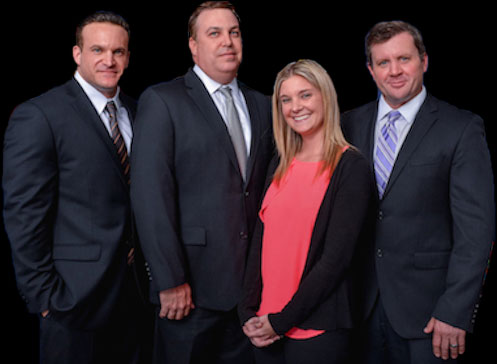
EXPERIENCE. STANDARDS. RESULTS. With a combined legal experience of over 50 years in both State and Federal courts, the Tampa Lawyers at Fernandez Law Group are committed to providing quality service to clients while maintaining a high level of respect, integrity, and
appreciation for each individuals’ legal needs. Our Personal Injury Lawyers work aggressively seeking compensation for damages and have recovered millions of dollars in settlements. Our Criminal Defense Lawyers fight to protect the rights of our clients and have successfully litigated to reduce thousands of sentences and fines. We offer free initial consultations with detailed case reviews. Learn More: https://thefernandezlawgroup.com/
If you know someone who
could benefit from this, feel free to forward it to them! Not a subscriber yet? Like what you’ve read? Sign up to get future issues delivered straight to you.
|
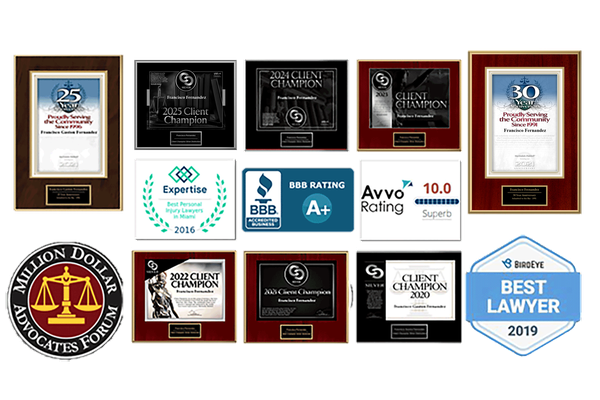
Award Winning Tampa Lawyers
|
|
|
|